Sulphate Micronutrient Blends Reshape 2027 Fertilizer Buying
- Share
- publisher
- MgSO4 Group Limited
- Issue Time
- Nov 18,2026
Summary
Buyers are specifying magnesium and zinc sulphate blends for 2027 programmes.
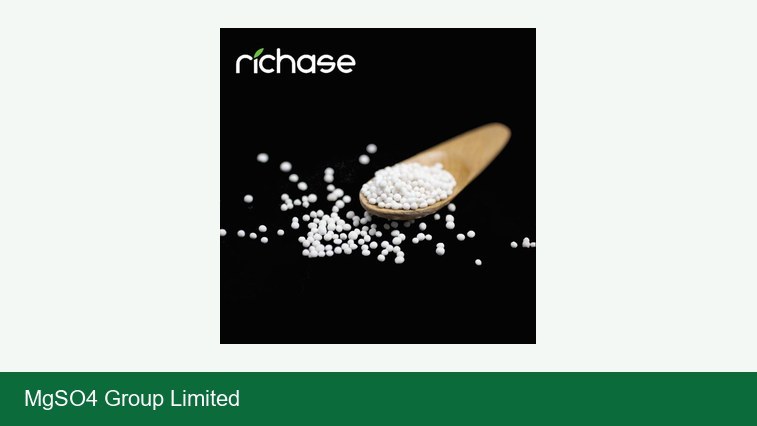
A Shift in Programme Design
2027 fertilizer buying conversations have started earlier than usual, and the specifications look different from a year ago. Instead of ordering single nutrients separately, formulators are asking for sulphate-based combinations that can be blended, bagged and labelled as one product.
MgSO4 Group Limited sees the same request from distributors in Southeast Asia, Latin America and Europe: fewer line items, tighter granule matching and one document set covering the whole blend.
Why Sulphate Micronutrient Blends Are Winning
Sulphate micronutrient blends fit modern programmes because they deliver a secondary nutrient and a trace element in compatible, water-soluble forms. Sulphur itself is increasingly written into recommendations as soils receive less incidental sulphur from atmosphere and fungicides.
For a blender, using a common sulphate chemistry also simplifies storage and reduces the risk of incompatible reactions between components that would otherwise be sourced from different salt families.
Magnesium Sulphate as the Blend Base
A magnesium sulphate micronutrient programme usually uses kieserite or a sized heptahydrate granule as the magnesium carrier. The choice depends on whether the blend is destined for bulk field spreading or for a soluble bag product.
MgO content, particle-size distribution and free moisture should be matched to the companion materials. Segregation in a blended bag is a physical problem, and it is solved by specifying a band rather than by mixing longer.

sulphate micronutrient blends — Zinc sulphate heptahydrate crystalline from MgSO4 Group Limited — view product: https://www.mgso4.com/pid18136103/Zinc-sulphate-heptahydrate-crystalline.htm
Zinc Sulphate Fertilizer Pairing
Pairing with zinc sulphate fertilizer is the most frequent request, particularly for cereal, maize and oil palm programmes where zinc and magnesium deficiencies occur on the same soils. Both salts are available as monohydrate and heptahydrate forms.
Confirm the hydration state of each component before fixing the formula. A hydrate that releases water under warm storage changes the analysis of the finished blend and can trigger caking in the bag.
Bulk Magnesium Sulphate Economics
For bulk magnesium sulphate buyers, the economic argument is consolidation: one vessel, one inspection and one document set for a formulation that previously required three separate purchases. Freight per unit of nutrient falls and warehouse handling simplifies.
The trade-off is a larger specification commitment. Buyers should fix the grade, particle band and packing for the full period, then use a monthly call-off to manage cash flow without reopening the technical annex.
Building a Trace Element Blend
A well-designed trace element blend starts from the target nutrient rates per hectare, not from a percentage on a bag. Work backwards from the recommended Mg, S and Zn rates, then check that the carrier materials deliver those rates at a practical field application volume.
Run a small segregation test on the intended granule pair before committing to a full container. Ten minutes in a drum predicts most of the distribution problems that appear later in a blender.
Specification and Compatibility Checks
Write MgO content, zinc content, particle-size band, moisture limit and insoluble fraction into one specification annex. Where the blend is intended for fertigation, add a dissolution test and a filter-residue limit.
Agree a test method and retain a reference sample on both sides. When a shipment is questioned, a retained sample resolves the discussion in days rather than weeks of correspondence.
Documentation for Compound Formulations
Compound products attract more regulatory attention than single salts. Prepare a lot-specific COA, a heavy-metal statement and, where required, a CE or destination-conformity dossier for the finished formulation rather than for each input separately.
Traceability expectations are rising in several markets. Buyers should confirm that the supplier can link every bag to its production lot and provide the underlying input documentation on request.
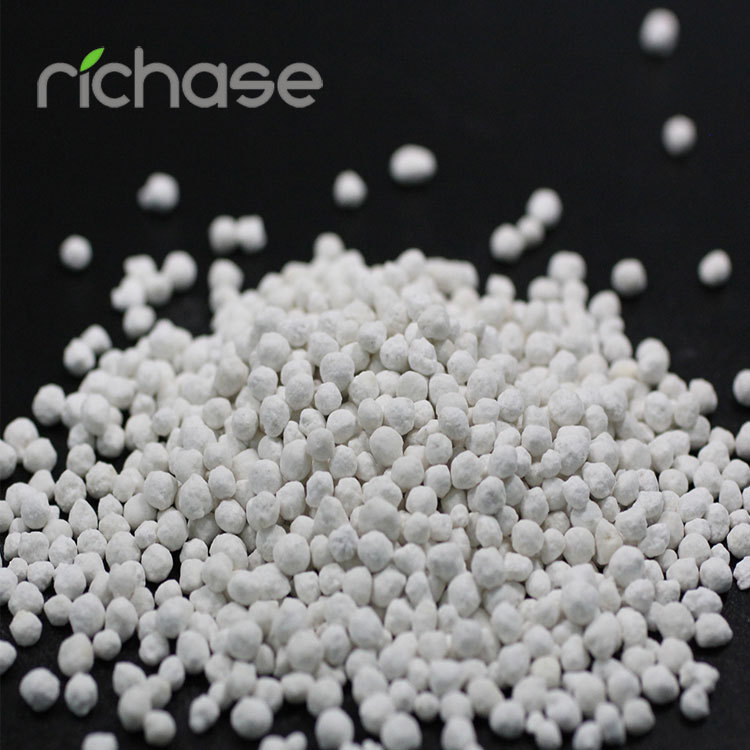
magnesium sulphate micronutrient — Magnesium Sulphate Monohydrate(Kieserite) granular W.MgO20%23%25%min
Planning the 2027 Call-Off
Our recommendation is to fix the formulation and document set in November, book a first-quarter call-off, and review volumes at the end of February. That gives the plant a planning signal while leaving the buyer room to adjust to the season.
Share your target analysis, granule band and destination, and MgSO4 Group Limited will return a matched specification with a documented production and shipping window.
Share your grade, quantity and destination with MgSO4 Group Limited for a specification-matched quotation and documented lead time.