Global Aquaculture Production Reaches Record 130M Tonnes
- Share
- Issue Time
- Jul 16,2026
Summary
Global aquaculture production hits 130 million tonnes in 2026, driving unprecedented demand for water quality minerals including magnesium sulfate in fish and shrimp farming operations.
Aquaculture Surpasses Wild Catch for First Time in Global Seafood Production History
Global aquaculture production has reached a historic milestone in 2026, surpassing capture fisheries output for the first time in recorded history to total approximately 130 million tonnes of fish, crustaceans, mollusks, and aquatic plants. The FAO's mid-year global seafood outlook confirms that farmed seafood now accounts for approximately 52% of total global seafood production, marking a tipping point in the industry's transition from a primarily wild-harvest-based food source to a managed agricultural production system. This remarkable growth has been driven by continued expansion of marine shrimp cultivation in Asia and Latin America, intensified tilapia and catfish farming in China, Egypt, and Southeast Asia, and the emergence of new offshore marine fish farming industries in Norway, Chile, and the United States. The implications for input suppliers serving aquaculture markets, including producers of mineral supplements like magnesium sulfate, are substantial and far-reaching.
China Maintains Dominant Position as World's Largest Aquaculture Producer
China continues to dominate global aquaculture production, accounting for approximately 62% of world farmed seafood volume in 2026 according to the Chinese Ministry of Agriculture and Rural Affairs. Chinese aquaculture operations produced an estimated 80 million tonnes of aquatic products in the first half of 2026, representing a 4.3% increase over the same period in 2025. Freshwater carp species including grass carp, silver carp, and bighead carp remain the backbone of Chinese aquaculture production, but high-value species including tilapia, catfish, and freshwater prawn are the fastest-growing segments. The Chinese government's 14th Five-Year Plan for the aquaculture sector prioritizes sustainable intensification, disease management, and feed nutrition optimization—all areas where mineral supplements including magnesium sulfate play important supporting roles.
Shrimp Farming Expansion Drives Magnus Sulfate Demand in Southeast Asia and Latin America
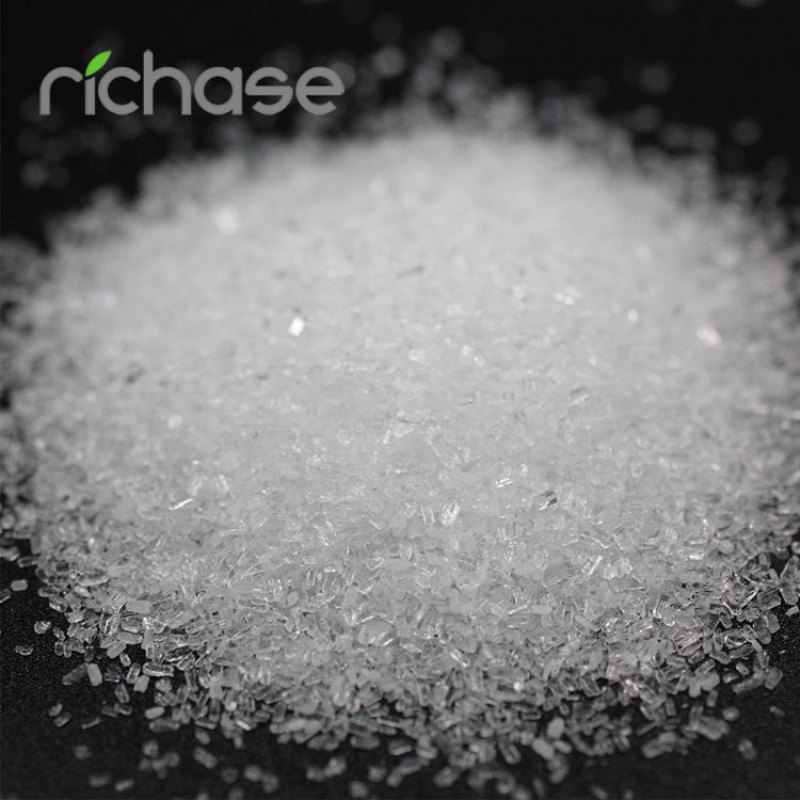
The global shrimp farming industry's continued expansion, particularly in Vietnam, India, Indonesia, Ecuador, and Honduras, is generating substantial demand for water quality management products including magnesium sulfate aquaculture supplements. White leg shrimp production across major producing countries reached 5.8 million tonnes in the first half of 2026, with industry analysts projecting full-year global production to approach 11 million tonnes. Shrimp aquaculture's intensive production systems, which maintain high animal stocking densities in relatively small pond volumes, create significant demands on water mineral balance that drive regular magnesium sulfate application programs. Vietnamese and Thai shrimp farmers have increasingly adopted structured mineral supplementation protocols that include magnesium sulfate as a standard component of pond preparation and crop maintenance programs.
Norway's Offshore Salmon Farming Industry Sets New Production Records
Norway's offshore salmon farming industry continues its remarkable growth trajectory, producing 1.7 million tonnes of Atlantic salmon in the first half of 2026—a 12% increase over the same period last year. This expansion is occurring despite ongoing regulatory constraints on new farm licenses, with existing operators achieving higher production volumes through improved feed formulations, better fish health management, and expanded use of offshore marine sites with superior water quality characteristics. Norwegian salmon farmers have invested heavily in precision feeding systems and real-time water quality monitoring that optimize the delivery of mineral supplements including magnesium compounds that support fish health and skeletal development in the marine environment.

Egypt Emerges as Africa's Largest Tilapia Producer, Driving Regional Aquaculture Growth
Egypt has firmly established itself as the largest aquaculture producer on the African continent, with tilapia farming operations in the Nile Delta region generating approximately 1.5 million tonnes annually—representing over 80% of total African aquaculture production. Egyptian aquaculture's continued growth is driving increased regional demand for fish feed ingredients and water quality management products including magnesium sulfate, which is applied extensively in Egyptian tilapia ponds to support the high-density production systems that characterize the industry's intensive grow-out operations. Egyptian aquaculture companies are investing in recirculating aquaculture system technologies that require precise mineral management and continuous magnesium supplementation to maintain optimal production conditions in controlled water environments.
Sustainability Certification Programs Influence Aquaculture Input Selection
Global seafood buyers and retail chains are increasingly requiring aquaculture producers to obtain sustainability certifications such as Best Aquaculture Practices, GlobalGAP, and ASC as conditions for commercial relationships, and these certification programs are influencing the selection of inputs including mineral supplements. Certification standards generally require that all inputs used in certified aquaculture production be explicitly listed and approved as safe for their intended use, creating administrative requirements that favor established input suppliers with comprehensive product documentation and regulatory compliance certifications. The trend toward certified sustainable aquaculture production is consolidating market share among larger, more professionally managed farming operations that have the administrative capacity to maintain certification compliance—demographic groups that are also more likely to adopt systematic magnesium sulfate supplementation programs as part of their professional water quality management practices.
Aquaculture Feed Industry Growth Creates Demand for Mineral Premix Products
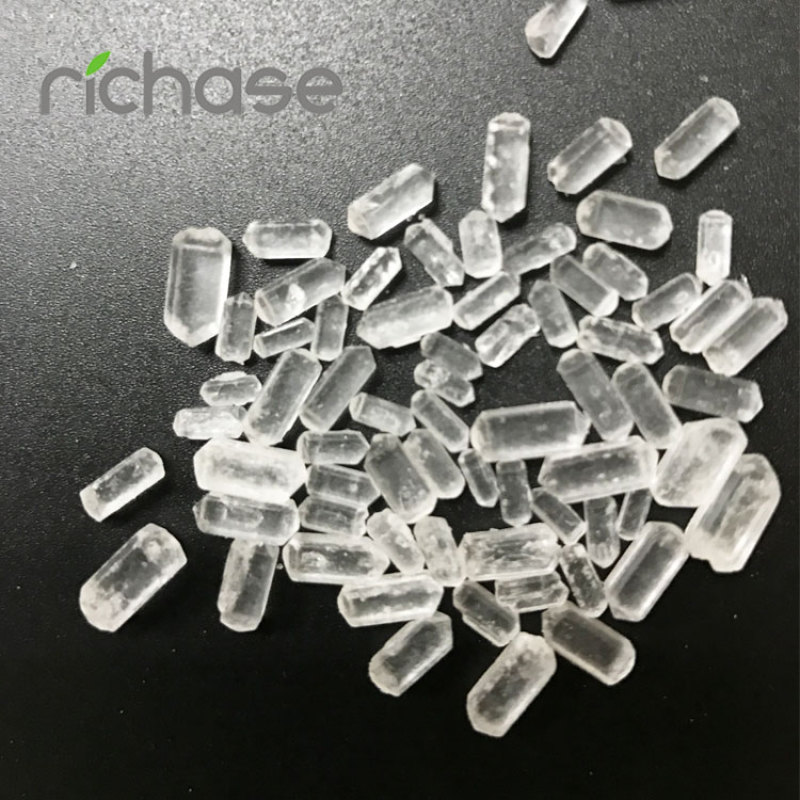
The global aquaculture feed industry has grown to approximately 50 million tonnes of annual production volume in 2026, generating substantial demand for mineral premix products that include magnesium sulfate as a key ingredient. Aquaculture feed premixes typically include a carefully balanced combination of macro-minerals including magnesium, calcium, and phosphorus along with trace minerals such as zinc, manganese, copper, and selenium, all formulated to meet the specific nutritional requirements of target species at each growth stage. The shift toward higher-energy feed formulations optimized for accelerated growth rates has increased the importance of mineral balancing in aquaculture feeds, as higher nutrient density places additional demands on the fish's metabolic and osmoregulatory systems. Feed companies are responding by investing in mineral nutrition research and developing specialized premix products designed to address the magnesium requirements of specific farmed species.
Conclusion: Aquaculture Growth Creates Structural Demand Increase for Water Quality Minerals
The aquaculture industry's achievement of record global production levels in 2026 marks a structural shift in seafood supply dynamics that will have lasting implications for input suppliers across the value chain. The continued expansion and intensification of fish and shrimp farming operations creates sustained, growing demand for water quality management products including magnesium sulfate aquaculture supplements. As production systems become more intensive and operators increasingly adopt professional management practices including systematic mineral monitoring and supplementation, the market for high-quality aquaculture-grade magnesium sulfate products is positioned for continued strong growth. Industry participants should view the aquaculture sector's growth trajectory as a strategic priority for long-term business development, with particular attention to the shrimp farming and recirculating aquaculture system segments where mineral supplementation practices are most advanced and market access requirements most stringent.