Global Magnesium Sulfate Market Update June 2026
- Share
- Issue Time
- Jun 25,2026
Summary
June 2026 market report: rising global demand for magnesium sulfate fertilizers, shifting trade flows in Asia-Pacific, and new agricultural research supporting MgSO4 adoption.

Asia-Pacific Drives Global Magnesium Sulfate Demand to New Heights
The global magnesium sulfate market is experiencing a significant surge in demand during the second quarter of 2026, with the Asia-Pacific region emerging as the primary growth engine. According to the latest trade data compiled by agricultural commodity analysts, magnesium sulfate fertilizer shipments to Southeast Asian markets increased by 18% year-over-year in the first five months of 2026, driven by expanding agricultural operations in Vietnam, Indonesia, Thailand, and the Philippines. This trend reflects a broader shift in farming practices across the region, where large-scale commercial growers are increasingly adopting magnesium sulfate as a foundational soil fertility input for high-value crop production systems.
China Maintains Dominant Position in Magnesium Sulfate Export Trade
China continues to hold the dominant position in global magnesium sulfate export markets, accounting for approximately 65% of worldwide trade volumes in 2026. Chinese manufacturers have ramped up production capacity to meet surging international demand, with output from major producing provinces including Shandong, Liaoning, and Inner Mongolia reaching record levels. However, logistics constraints and rising freight costs have created pricing pressures that are being passed along the supply chain to end consumers in importing countries. Market observers note that Chinese magnesium sulfate export prices have increased by approximately 12% since January 2026, reflecting both stronger global demand and higher domestic production costs.
Research Validates Magnesium Sulfate Benefits in Major Grain Crops
A series of independent agricultural research studies published in the first half of 2026 have provided compelling evidence supporting the expanded use of magnesium sulfate in major grain crop production. Field trials conducted across Brazil, Argentina, and Ukraine demonstrated that corn and wheat yields increased by an average of 8–12% when magnesium sulfate was applied in combination with standard NPK fertilization programs. The research specifically highlighted magnesium sulfate's role in improving chlorophyll synthesis and photosynthetic efficiency, which translates directly into larger grain fills and higher harvest Index values. These findings are particularly significant for global food security discussions, as they suggest magnesium sulfate could help boost crop yields without requiring additional farmland or water resources.
European Market Sees Steady Growth in Magnesium Sulfate Consumption
The European agricultural market for magnesium sulfate fertilizers has shown steady growth in 2026, driven by increasing awareness of soil magnesium depletion across EU member states. The European Commission's latest agricultural outlook report indicated that magnesium deficiency has been identified in approximately 40% of surveyed European agricultural soils, creating a significant opportunity for magnesium sulfate adoption. Organic farming sectors in particular have embraced magnesium sulfate as a permitted soil amendment under EU organic certification standards, contributing to a 14% increase in organic-certified magnesium sulfate sales during the first quarter of 2026. German, French, and Spanish agricultural cooperatives have been leading procurement efforts, with bulk purchasing agreements being negotiated for the 2026–2027 growing season.
Brazilian Corn Production Expansion Boosts Magnesium Sulfate Imports
Brazil's continued expansion of its corn production area, now estimated at over 21 million hectares for the 2025–2026 crop year, has created substantial demand for magnesium sulfate fertilizers in the South American market. Brazilian agricultural research institute EMBRAPA has published updated fertilization guidelines that specifically recommend magnesium sulfate application for corn-on-corn rotations, citing yield response data and economic return calculations that favor magnesium supplementation. Import statistics for Brazil show magnesium sulfate arrivals up 22% compared to the same period last year, with the United States and China serving as the primary supply sources. Domestic Brazilian magnesium sulfate production capacity remains limited, creating opportunities for international suppliers to establish long-term distribution relationships with large-scale Brazilian farming operations.
United States Market: West Coast Agriculture Drives MgSO4 Demand
In the United States, agricultural demand for magnesium sulfate is concentrated in California's Central Valley, the Pacific Northwest, and Florida's citrus-producing regions. California almond and pistachio growers have increasingly incorporated magnesium sulfate into their fertilization programs following research demonstrating improved nut quality and yield responses to magnesium supplementation. The U.S. Department of Agriculture reported that magnesium sulfate sales for agricultural use increased by 9% in the western United States during the first quarter of 2026 compared to the same period in 2025. Dairy regions in Wisconsin and California have also emerged as significant consumers of magnesium sulfate feed supplements, reflecting the mineral's importance in ruminant nutrition and milk production optimization.
Market Outlook: Magnesium Sulfate Prices Expected to Remain Firm
Looking ahead to the second half of 2026, market analysts project that magnesium sulfate prices will remain firm due to continued strong demand and persistent supply-side constraints. The global market for magnesium sulfate is expected to grow at a compound annual growth rate of 5.2% through 2030, according to projections published by industry research firm Fertilizer Analytics International. Key demand drivers identified in the research include expanding precision agriculture adoption, increasing crop intensity in developing economies, and growing awareness of magnesium deficiency in soils worldwide. Trade sources indicate that major buyers are securing supply contracts ahead of the traditional autumn purchasing season, reflecting expectations of continued price strength and limited product availability.
Supply Chain Innovations Aim to Improve Magnesium Sulfate Accessibility
Industry participants are implementing supply chain innovations to improve the accessibility and cost-effectiveness of magnesium sulfate distribution to end-user markets. New bulk handling facilities have been commissioned at ports in Rotterdam, Houston, and Singapore to streamline the transshipment of magnesium sulfate to regional distribution networks. Containerization of smaller-lot magnesium sulfate shipments has opened direct market access for smaller-scale farmers who previously relied on intermediated purchasing arrangements. Digital trading platforms have also gained traction, with spot market transactions for magnesium sulfate increasing by 31% year-over-year as buyers seek price transparency and faster delivery turnaround times.
Conclusion: Strong Fundamentals Support Continued Market Growth
The fundamental drivers of magnesium sulfate demand remain robust across all major agricultural regions, with June 2026 market data confirming the strength of the underlying growth trajectory. Global trade flows are adjusting to accommodate the shift in demand toward Asia-Pacific and Latin American markets, creating both opportunities and challenges for established suppliers and new market entrants. Agricultural research continues to validate the yield and quality benefits of magnesium sulfate application across a broadening range of crop categories, providing a solid agronomic foundation for continued market expansion. Industry participants are advised to monitor raw material cost trends, shipping rate developments, and regional regulatory changes as key variables that will shape the magnesium sulfate market landscape through the remainder of 2026 and into 2027.
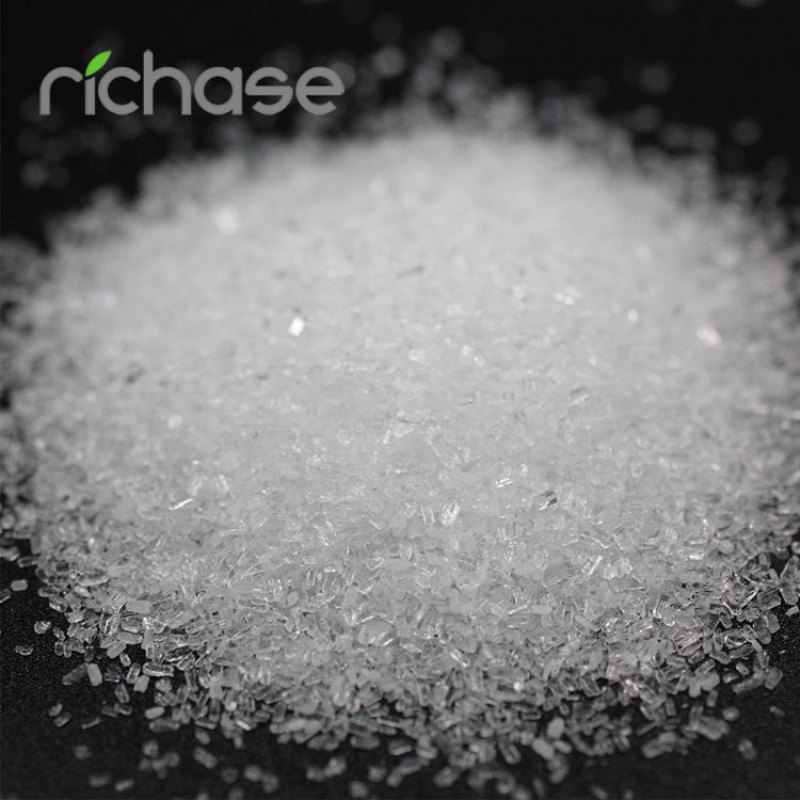
Featured Product: Agricultural Magnesium Sulfate Heptahydrate 99% crystal powder for crops