Seasonal Demand Trends for Magnesium Sulfate Market
- Share
- Issue Time
- Jul 9,2026
Summary
Understand how seasonal agricultural cycles drive magnesium sulfate demand patterns and learn strategic procurement approaches to secure supply at optimal prices.

How Seasonal Agricultural Cycles Drive Magnesium Sulfate Demand
Magnesium sulfate seasonal demand follows predictable patterns closely tied to the global agricultural calendar, with distinct peak and trough periods that create both opportunities and challenges for buyers and suppliers throughout the year. Understanding these market cycles is essential for agricultural input distributors, farming cooperatives, and large-scale growers who want to optimize their procurement timing and ensure uninterrupted supply during critical application windows. The demand for magnesium sulfate as a fertilizer input surges during pre-planting and active growth periods, then moderates during crop maturity and harvest phases, creating a cyclical rhythm that repeatably shapes pricing, availability, and logistics conditions across all major agricultural markets.
Northern Hemisphere Growing Season: The Primary Demand Driver
The Northern Hemisphere agricultural calendar, spanning from March through October in most temperate zones, accounts for approximately 70% of global magnesium sulfate consumption. Spring pre-planting preparations beginning in February and March generate the first significant demand surge of the year, as farmers apply magnesium sulfate to soils ahead of corn, soybean, wheat, and vegetable planting operations. A second, larger demand peak occurs during the early summer growing period from May through July, when foliar magnesium sulfate applications on actively growing crops and additional soil applications in high-intensity cropping systems drive sustained order volumes. By late August, demand begins a gradual decline that continues through the autumn harvest period, reaching its annual low point during November through January when the majority of Northern Hemisphere cropland is fallow or under cover crops.

Southern Hemisphere Markets: Counter-Cyclical Purchasing Opportunities
The Southern Hemisphere growing season, running approximately from September through March, creates counter-cyclical magnesium sulfate demand patterns that offer strategic procurement advantages for global buyers. Brazilian, Argentine, and Australian agricultural operations generate their peak magnesium sulfate demand during the Southern Hemisphere summer months from November through February, overlapping partially with the Northern Hemisphere's winter demand lull. This partial offset moderates the global demand trough that occurs during the Northern Hemisphere winter, maintaining a more consistent baseline level of worldwide magnesium sulfate consumption throughout the year than would occur if both hemispheres shared the same agricultural calendar.
Regional Crop-Specific Demand Patterns Within the Global Cycle
Within the overarching seasonal framework, individual crop categories generate distinct magnesium sulfate demand signatures that sophisticated buyers can exploit for procurement optimization. Permanent crop industries including almonds, citrus fruits, coffee, and vineyards require year-round magnesium nutrition management but concentrate their largest application volumes during the spring flowering and fruit development periods. Rice paddy systems in Asia have a particularly pronounced seasonal demand peak aligned with the transplanting and early tiller development phases, typically occurring between May and July in the major producing countries of China, India, Vietnam, and Thailand. Vegetable production operations, with their multiple cropping cycles and year-round greenhouse production, represent a relatively stable demand base that is less sensitive to seasonal price swings than field crop-oriented purchasing.
Strategic Procurement Timing: Balancing Price and Availability
The most cost-effective magnesium sulfate procurement strategy for most buyers involves advance purchasing during the low-demand winter period from December through February, when supplier pricing is most competitive due to reduced order volumes and manufacturer's need to maintain production schedules. These pre-season purchases should cover 40–60% of anticipated annual magnesium sulfate requirements, providing a cost-optimized supply base while leaving remaining volume for in-season purchases that accommodate actual demand conditions. Purchasing the remaining 40–60% of annual requirements during the growing season allows buyers to adjust order quantities based on actual planted acreage, crop condition observations, and real-time price movements, reducing the risk of over-procurement or stockouts that characterize rigid forward-buying approaches.

How Weather Variability Disrupts Predicted Seasonal Demand Patterns
While seasonal demand cycles provide a reliable framework for magnesium sulfate procurement planning, weather variability can significantly disrupt predicted demand patterns in ways that create unexpected supply tightness or surplus. El Niño and La Niña weather events alter temperature and precipitation patterns across large portions of the world's agricultural zones, shifting planting schedules, affecting crop health, and changing fertilizer application timing in ways that amplify or dampen seasonal demand curves. The 2025–2026 El Niño event, which persisted through early 2026 in the Indo-Pacific region, caused significant planting delays in Southeast Asian rice and palm oil operations, compressing the magnesium sulfate application window and creating spot market shortages during what should have been a gradual demand ramp-up period.
Climate Change Impacts on Long-Term Seasonal Demand Trends
Long-term climate change trends are beginning to alter the traditional seasonal magnesium sulfate demand framework in measurable ways. Warmer winter temperatures in temperate growing regions are extending the active growing season at both ends, creating longer periods of potential magnesium uptake by crops and stimulating higher total annual application rates. More frequent and severe heat waves during summer months are increasing heat stress-related magnesium requirements in livestock feeding applications and accelerating the onset of magnesium deficiency symptoms in crops, driving rescue application purchases that would not have occurred under historical climate norms. These climate-driven demand shifts are adding structural upward pressure to baseline magnesium sulfate consumption levels that will become more pronounced over the coming decade.
Market Cycle Analysis: Price Volatility and Procurement Risk Management
Magnesium sulfate prices typically exhibit 15–25% seasonal price range variation between peak and trough periods in major agricultural markets, though extreme supply-demand imbalances can produce much larger price swings. Forward contracting with established suppliers can lock in prices during the favorable purchasing window and guarantee supply availability, but requires accurate demand forecasting and carries execution risk if anticipated requirements fail to materialize. Spot market purchasing offers flexibility and eliminates inventory carrying costs, but exposes buyers to price volatility and potential availability constraints during peak demand periods when logistics systems are under maximum stress. A blended procurement strategy that combines forward contracting for the majority of anticipated requirements with a reserved spot market purchasing allocation for in-season adjustments represents the most robust approach for managing seasonal market cycle risk.
Reliable Magnesium Sulfate Supply for Year-Round Agricultural Needs
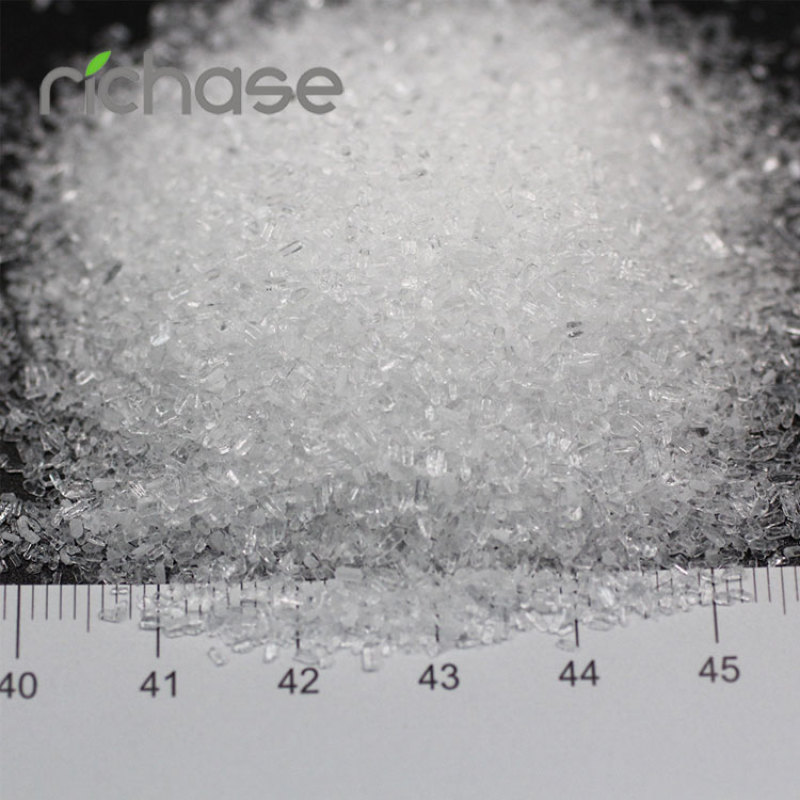
MgSO4 Group Limited maintains consistent magnesium sulfate production capacity to serve your seasonal procurement requirements across all market cycles. View Product Details ›
Conclusion: Mastering Seasonal Market Cycles for Procurement Advantage
Understanding and strategically responding to magnesium sulfate seasonal demand cycles enables agricultural input buyers to optimize their procurement costs, ensure supply security during critical application windows, and build resilient supply relationships with manufacturers and distributors. The predictable nature of agricultural seasonality provides a reliable framework for procurement planning, even as weather variability and climate change introduce additional complexity that requires adaptive management responses. By combining historical market analysis with real-time demand monitoring and flexible procurement execution, buyers can transform seasonal market cycles from a source of procurement uncertainty into a structured advantage that supports consistent agricultural production economics year after year.

Featured Product: Agricultural Magnesium Sulfate Heptahydrate 99% crystal powder for crops