Magnesium sulfate fertilizer, especially Epsom Salt, is gaining traction for boosting chlorophyll, crop quality, and yields, supporting sustainable agriculture. BY:Gary
- Share
- publisher
- 、Saskia
- Issue Time
- Dec 4,2025
Summary
News Summary: Magnesium sulfate fertilizer, especially Epsom Salt, is gaining traction for boosting chlorophyll, crop quality, and yields, supporting sustainable agriculture.
Epsom Salt: The Green Engine for Crop Growth and Yield
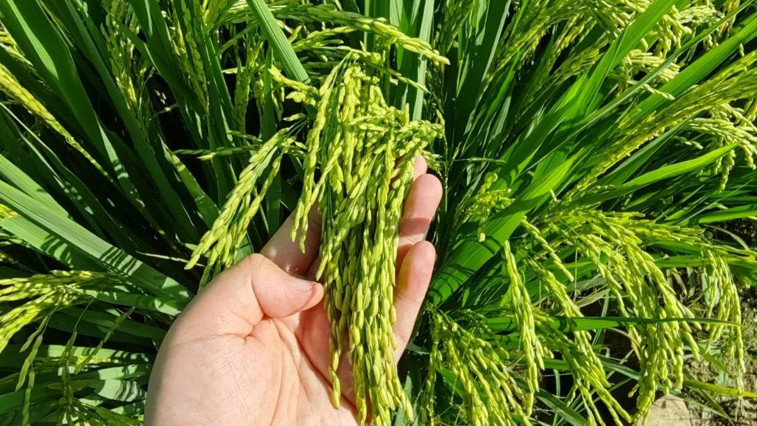
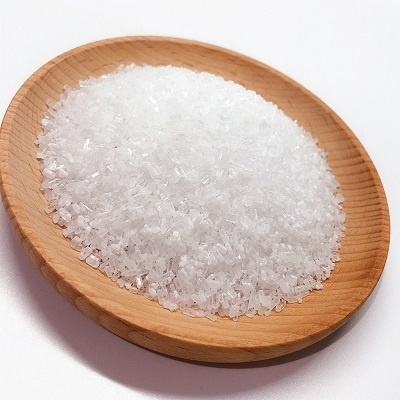
The global Magnesium Sulfate Fertilizer market is experiencing robust growth, driven by the need to correct widespread soil deficiencies and meet rising food demand. Valued at approximately USD 1.1 billion in 2025, the market is projected to expand steadily. A significant driver is the shift toward Sustainable Agriculture, where balanced nutrition is key. Epsom Salt, the common name for magnesium sulfate heptahydrate, is at the forefront of this trend. It effectively supplies two essential secondary nutrients—magnesium and sulfur—which are often depleted in intensively farmed soils, making it a cornerstone of modern nutrient management programs.
From a biological standpoint, the primary value of this fertilizer lies in its role in Chlorophyll Production. Magnesium forms the central core of the chlorophyll molecule, the pigment essential for photosynthesis. Without adequate magnesium, plants cannot efficiently convert sunlight into energy, leading to stunted growth and the classic symptom of interveinal yellowing on older leaves. The sulfur component is equally vital, as it is a key building block for amino acids, proteins, and vitamins. This dual-action makes magnesium sulfate indispensable for improving crop vigor, oil content in seeds, and overall fruit quality, particularly for High-Value Crops like tomatoes, citrus, berries, and oilseeds.
For optimal results, application methods must be tailored. Foliar Application is highly effective for quickly correcting visible deficiencies, as nutrients are absorbed directly through the leaves, often showing improvements within days. It is commonly recommended during critical growth stages such as flowering and fruit set. For example, official guidelines for crops like winter wheat specify foliar sprays containing magnesium sulfate during the grain-filling period to enhance yield. For broader soil correction, it can be blended into the soil or applied through irrigation systems (fertigation). The choice between highly soluble forms like Epsom salt for fertigation and more concentrated forms for dry blends allows flexibility for different farming systems.

Looking ahead, the integration of magnesium sulfate into precision farming practices is set to increase. Its high solubility and compatibility with other fertilizers make it ideal for advanced nutrient delivery systems. As farmers and agronomists continue to focus on soil health and maximizing the productivity of every hectare, magnesium sulfate fertilizers transition from a simple corrective input to a strategic tool for ensuring photosynthetic efficiency and achieving premium crop outcomes in a sustainable manner.