Magnesium Sulfate for Aquaculture: Fish and Shrimp Guide
- Share
- Issue Time
- Jul 16,2026
Summary
Magnesium sulfate is essential for healthy fish and shrimp aquaculture. Learn proper aquaculture magnesium sulfate dosage, water quality management, and pond application techniques.
Why Magnesium Is Critical for Aquatic Animal Health in Fish and Shrimp Farming
Magnesium sulfate aquaculture applications have become increasingly important as global fish farming and shrimp cultivation operations scale up to meet growing demand for seafood protein. Magnesium is the second most abundant intracellular cation in fish and crustaceans, serving as a cofactor for over 300 enzymatic reactions including those responsible for ATP synthesis, nerve impulse transmission, and muscle contraction. Shrimp and fish maintained in aquaculture systems with inadequate magnesium concentrations exhibit reduced feed conversion efficiency, compromised immune function, increased susceptibility to disease outbreaks, and slower growth rates that directly translate to lower production volumes and reduced profitability for farm operators. Maintaining optimal magnesium concentrations in aquaculture water is therefore a fundamental requirement for successful and economically sustainable fish and shrimp farming operations.
Understanding Magnesium Requirements in Freshwater and Marine Aquaculture Systems
Magnesium sulfate aquaculture dosage requirements differ significantly between freshwater and marine production systems because of the fundamental differences in baseline mineral composition between these environments. Seawater naturally contains approximately 1,350 mg/L of magnesium, providing marine fish and shrimp species with abundant magnesium from their environment. Freshwater, by contrast, typically contains only 5–50 mg/L of magnesium, making supplementation essential when cultivating freshwater species such as tilapia, catfish, carp, and freshwater prawns. Even in marine shrimp farms using seawater, magnesium levels can drop significantly during high-rainfall periods when freshwater inflow dilutes pond concentrations, creating a need for magnesium sulfate aquaculture applications to restore optimal mineral balance.
Magnesium Sulfate for Shrimp Pond Water Quality Management
Shrimp pond aquaculture presents particular challenges for magnesium management because of the complex interactions between mineral concentrations, pH, alkalinity, and phytoplankton dynamics that collectively determine pond water quality. Magnesium is essential for maintaining proper ionic balance across shrimp gill membranes, and low magnesium concentrations impair osmoregulation—the process by which shrimp regulate water and ion exchange with their environment. Clinical signs of magnesium deficiency in shrimp include erratic swimming patterns, reduced feeding activity, poor molting success, and elevated mortality rates, particularly during the vulnerable post-molt period when the new exoskeleton is hardening. Regular monitoring of shrimp pond magnesium levels and timely magnesium sulfate aquaculture applications prevent these deficiency syndromes and support consistent shrimp growth performance across the production cycle.
Magnesium Sulfate for Fish Farming: Tilapia, Catfish, and Carp Operations
Freshwater fish farming operations including tilapia, channel catfish, and common carp benefit substantially from magnesium sulfate aquaculture supplementation in systems where source water magnesium concentrations are low or where intensive production practices create high magnesium demand. Tilapia, one of the most widely cultivated freshwater fish globally with annual production exceeding 7 million metric tons, shows particularly strong growth responses to magnesium supplementation, with research demonstrating 10–15% improvements in weight gain and feed conversion ratios when magnesium sulfate is added to feeds or applied directly to culture water. Catfish farmers in the southeastern United States and China have documented improved skin and fin condition, reduced incidence of bacterial infections, and better overall pond health following the adoption of routine magnesium sulfate supplementation programs as part of their water quality management protocols.

Proper Aquaculture Magnesium Sulfate Dosage Guidelines for Different Systems
Establishing the correct aquaculture magnesium sulfate dosage requires consideration of the species cultivated, the baseline magnesium concentration in the culture water, the production intensity level, and whether magnesium is being supplied through feed fortification or direct water application. The following guidelines provide recommended target water magnesium concentrations and corresponding magnesium sulfate addition rates for common aquaculture scenarios:
| Aquaculture System | Target Mg (mg/L) | MgSO₄·7H₂O Rate | Application Method |
|---|---|---|---|
| Freshwater tilapia ponds | 40–60 mg/L | 15–25 kg/hectare | Water broadcast, bi-weekly |
| Channel catfish ponds | 35–50 mg/L | 12–20 kg/hectare | Water broadcast, monthly |
| Freshwater prawn ponds | 50–70 mg/L | 20–30 kg/hectare | Water broadcast, weekly |
| Marine shrimp (diluted seawater) | 200–400 mg/L | 10–15 kg/hectare | Targeted, as needed |
| Recirculating aquaculture systems | 50–80 mg/L | Continuous via dosing | Metered injection |
Magnesium Deficiency Symptoms in Aquaculture: Recognition and Response
Early recognition of magnesium deficiency symptoms in aquaculture operations enables timely corrective action that prevents economic losses from impaired growth and increased mortality. In shrimp, the most common magnesium deficiency signs include reduced feed consumption, lethargy, poor molting success characterized by incomplete exuviae shedding, and cumulative mortality rates that may reach 20–30% in severely affected ponds if left unaddressed. Fish magnesium deficiency typically manifests as nervous system abnormalities including muscular tremors, fin clamping, erratic swimming, and in chronic cases, spinal deformities. Water testing should be conducted immediately whenever these symptoms are observed, and if magnesium concentrations are below recommended levels, an emergency magnesium sulfate aquaculture application should be administered at 1.5 to 2 times the standard maintenance rate to restore optimal concentrations within 24–48 hours.
Integrating Magnesium Sulfate into Aquaculture Feed Programs
Beyond direct water application, magnesium sulfate aquaculture supplements can be incorporated into formulated fish and shrimp feeds as a mineral premix ingredient that provides a consistent daily magnesium intake regardless of water quality fluctuations. Feed fortification with magnesium sulfate is particularly valuable in intensive recirculating aquaculture systems where water volumes are relatively small and maintaining stable mineral concentrations through water additions alone is challenging. Typical feed fortification rates range from 0.5 to 1.5 kg of magnesium sulfate per ton of finished feed, depending on the species magnesium requirements and the expected feed consumption rate. The bioavailability of magnesium from magnesium sulfate in fish feed is approximately 85–90%, making it one of the most efficiently absorbed mineral supplement forms available for aquaculture nutrition programs.
Water Hardness and the Role of Magnesium in Aquaculture Chemistry
Magnesium is a major contributor to total water hardness in aquaculture systems, and its concentration relative to calcium profoundly influences overall water quality suitability for aquatic animal cultivation. The ideal magnesium-to-calcium ratio in freshwater aquaculture water is approximately 3:1 to 5:1 by weight, supporting proper gill function, shell or exoskeleton development in crustaceans, and enzymatic activity throughout the organisms' metabolic systems. Water testing should always include both calcium and magnesium measurements so that the ratio between these critical minerals can be calculated and corrective applications adjusted accordingly. When both magnesium and calcium require supplementation, applying magnesium sulfate and calcium carbonate in sequence allows both minerals to be replenished without creating antagonistic interactions that could reduce the availability of either nutrient to the cultivated organisms.
High-Quality Magnesium Sulfate for Aquaculture Applications
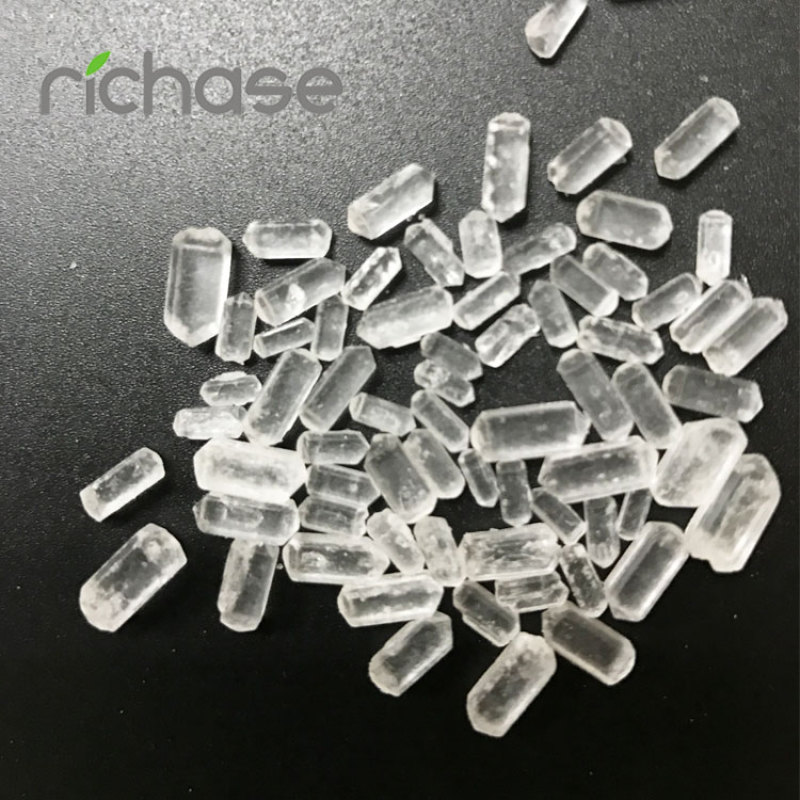
We supply aquaculture-grade Magnesium Sulphate Heptahydrate tested for heavy metals and purity to meet the specific requirements of fish and shrimp farming operations. View Aquaculture Product Options ›
Conclusion: Magnesium Sulfate as an Essential Tool in Modern Aquaculture Management
Magnesium sulfate aquaculture applications represent an essential component of comprehensive water quality and mineral nutrition management in modern fish and shrimp farming operations. Whether applied directly to pond water, incorporated into formulated feeds, or used as part of a recirculating aquaculture system mineral dosing program, magnesium sulfate provides the magnesium that aquatic animals require for healthy growth, efficient feed conversion, and robust disease resistance. As global aquaculture production continues to expand to meet increasing seafood demand, the strategic use of magnesium sulfate will become an increasingly important determinant of farm-level productivity and profitability. Aquaculture operators who implement systematic magnesium monitoring and supplementation programs position themselves to achieve superior production outcomes while maintaining the environmental sustainability and product quality that today's seafood markets demand.