Iran Crisis Triggers Sulfuric Acid Price Surge, Impacting Magnesium Sulfate Pricing Globally BY:Ludwig
- Share
- publisher
- 、Saskia
- Issue Time
- Mar 11,2026
Summary
The Iran crisis has disrupted the global sulfur and sulfuric acid supply chain, leading to a sharp surge in sulfuric acid prices. As sulfuric acid is a core raw material for magnesium sulfate, this has directly pushed up magnesium sulfate production costs and market prices, with global magnesium sulfate prices rising significantly, compressing manufacturer margins and reshaping the global market pattern, while also prompting the industry to accelerate process adjustment and product upgrading.
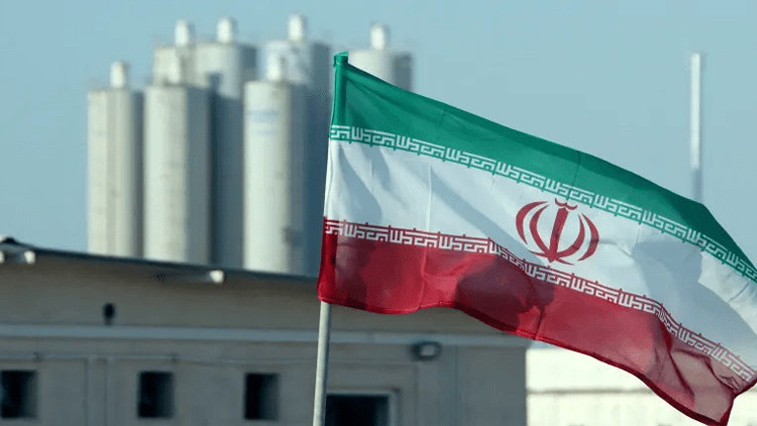
Iran Crisis Triggers Sulfuric Acid Price Surge, Impacting Magnesium Sulfate Pricing Globally
As Iran’s geopolitical tensions escalate and shipping through the strategically vital Strait of Hormuz faces persistent disruptions, the global supply chain of sulfur and sulfuric acid—core raw materials for magnesium sulfate production—has been severely disrupted. With Iran being a key global exporter of sulfur, accounting for over 30% of global sulfur trade, and the Strait of Hormuz handling nearly 50% of the world’s seaborne sulfur shipments, the crisis has led to a sharp rise in sulfuric acid prices, which in turn has exerted significant pressure on magnesium sulfate pricing, production costs, and market supply worldwide.

Sulfuric acid is a critical raw material for magnesium sulfate production, with 75% of global magnesium sulfate output relying on the sulfuric acid production process, where sulfuric acid accounts for more than 40% of total production costs. The surge in sulfuric acid prices, driven by Iran-related supply shortages, has directly pushed up the production costs of magnesium sulfate. Data shows that global sulfuric acid prices have increased by over 200% since the escalation of Iran’s tensions, leading to a cost increase of 500–800 yuan per ton for magnesium sulfate, compressing the profit margins of manufacturers. For magnesium sulfate producers dependent on imported sulfur and purchased sulfuric acid, the impact is more pronounced, with some small and medium-sized enterprises forced to reduce production or even suspend operations due to cost pressures.
The impact of the Iran crisis on magnesium sulfate pricing varies across regions and market segments. In China, the world’s largest producer and exporter of magnesium sulfate, domestic magnesium sulfate prices have risen by 30–40% in response to raw material cost increases, though the growth rate lags behind that of sulfuric acid due to government guidance to stabilize agricultural supply during the spring planting period. In the global export market, Chinese magnesium sulfate export quotes have increased by 15–25%, temporarily weakening competitiveness in price-sensitive markets such as Southeast Asia, while also consolidating China’s position as a reliable supplier amid global supply chain disruptions. For high-value magnesium sulfate products (such as food-grade and pharmaceutical-grade), the impact of price increases is relatively mild due to higher added value and lower price sensitivity.
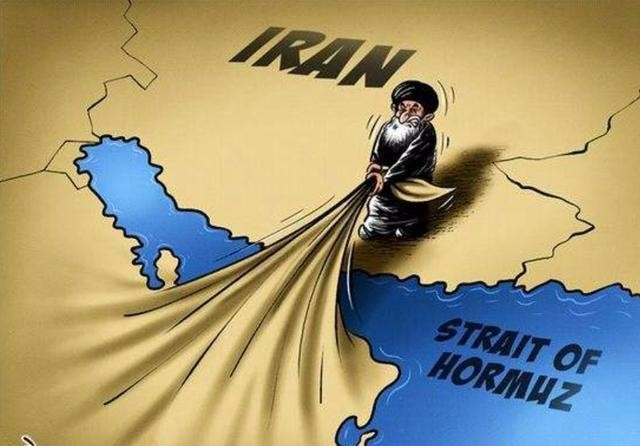
Beyond short-term price fluctuations, the Iran crisis is also reshaping the global magnesium sulfate market pattern. Producers are accelerating the adjustment of production processes, expanding the use of non-sulfuric acid production routes (such as brine extraction and industrial byproducts) to reduce reliance on imported sulfur. At the same time, the crisis has prompted the industry to accelerate product upgrading, shifting from low-value agricultural-grade products to high-value-added grades, which helps mitigate the impact of raw material price volatility. For global fertilizer traders and downstream users, the price surge of magnesium sulfate has highlighted the importance of supply chain diversification and long-term cooperative relationships.