Feed Grade MgSO4 Dosage for Dairy Cattle
- Share
- publisher
- MgSO4 Group Limited
- Issue Time
- Aug 19,2026
Summary
Right MgSO4 levels support dairy bone health and milk yield.
Why Dairy Cows Need Magnesium
Magnesium is essential for enzyme function, nerve transmission and bone integrity. A cattle magnesium supplement based on feed grade magnesium sulphate supports milk yield and prevents metabolic disorders around calving.
Magnesium Sulfate for Dairy Cows
magnesium sulfate for dairy cows is valued because sulfate is also a useful nutrient and the salt is highly soluble in the rumen. Monohydrate form is common in premixes.
Choosing Magnesium Sulphate Monohydrate
magnesium sulphate monohydrate carries about 20% MgO, giving a predictable magnesium contribution per kilogram of premix. Particle size should suit mixing and avoid segregation.
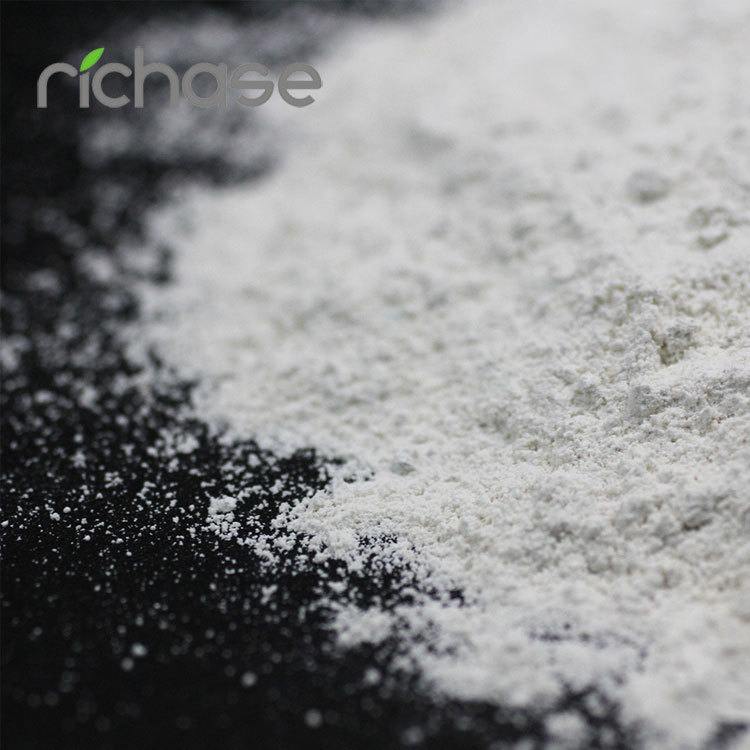
magnesium sulphate monohydrate powder for animal feed — view product: https://www.mgso4.com/pid18135927/Magnesium-Sulphate-Monohydrate-Kieserite-powder-W-MgO20-23-25-min.htm
Typical Dosage Ranges
Dietary magnesium is often targeted around 0.2–0.4% of dry matter for lactating dairy. Exact feed grade magnesium sulfate inclusion depends on forage magnesium, stage and risk of grass tetany.
MgSO4 Animal Feed Integration
Blend MgSO4 animal feed grades into concentrate or total mixed ration after lab confirmation. Uniform mixing prevents localized over- or under-dosing.
Around Calving
Transition cows are most at risk. Raising magnesium in the close-up diet and monitoring intake helps avoid tetany and supports early lactation.
Quality and Safety
Use feed-grade material with documented heavy-metal limits. MgSO4 Group Limited supplies monohydrate suited to premix and feed mills.
Practical Next Step
Send your ration and forage analysis; our team suggests a magnesium inclusion that fits your herd's stage and forage profile.
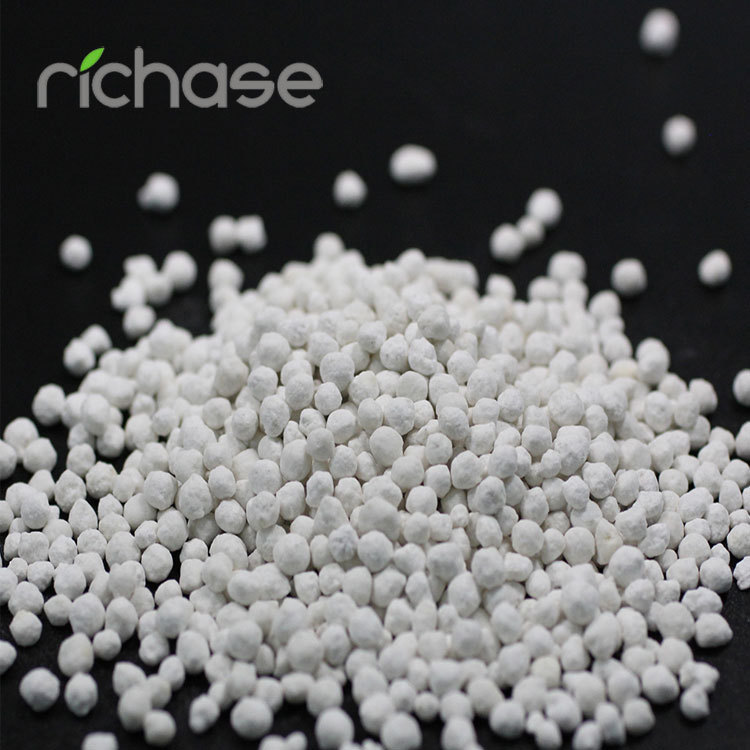
kieserite granular for feed premix
Request a feed-grade specification sheet and sample for your dairy ration.