Feed Grade Magnesium Oxide Dosage Guide: Increase Milk Fat in Dairy & ADG in Beef Cattle BY:LINA
- Share
- publisher
- 、Saskia
- Issue Time
- Jul 22,2026
Summary
While high-concentrate diets improve breeding efficiency, they also make rumen acidosis a "hidden killer" plaguing ranchers. In recent years, numerous animal nutrition studies have confirmed that the scientific addition of feed-grade magnesium oxide can not only stabilize the rumen environment but also significantly improve milk fat percentage in dairy cows, feed intake in beef cattle, and daily weight gain, becoming an important technical means for high-efficiency farming.
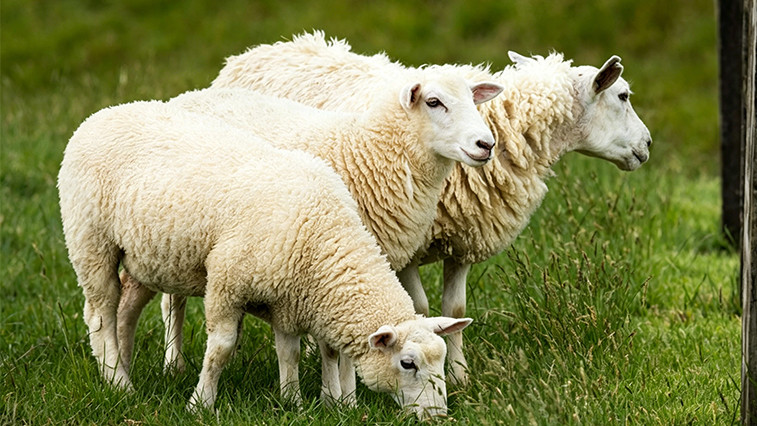
Feed-Grade Magnesium Oxide Effectively Improves Milk Fat Percentage in Dairy Cows and Daily Weight Gain in Beef Cattle
I. Stabilizing Rumen pH for Efficient Digestion
Studies have shown that in beef cattle fed high-concentrate diets, rumen pH increases linearly with increasing levels of feed-grade magnesium oxide in the diet (up to 5.0 g/kg dry matter). This means that magnesium oxide can effectively counteract the acidic load brought by high-concentrate diets, creating a healthier fermentation environment for rumen microorganisms, thereby promoting the digestion of fiber.
II. Solving "Low Milk Fat Syndrome"
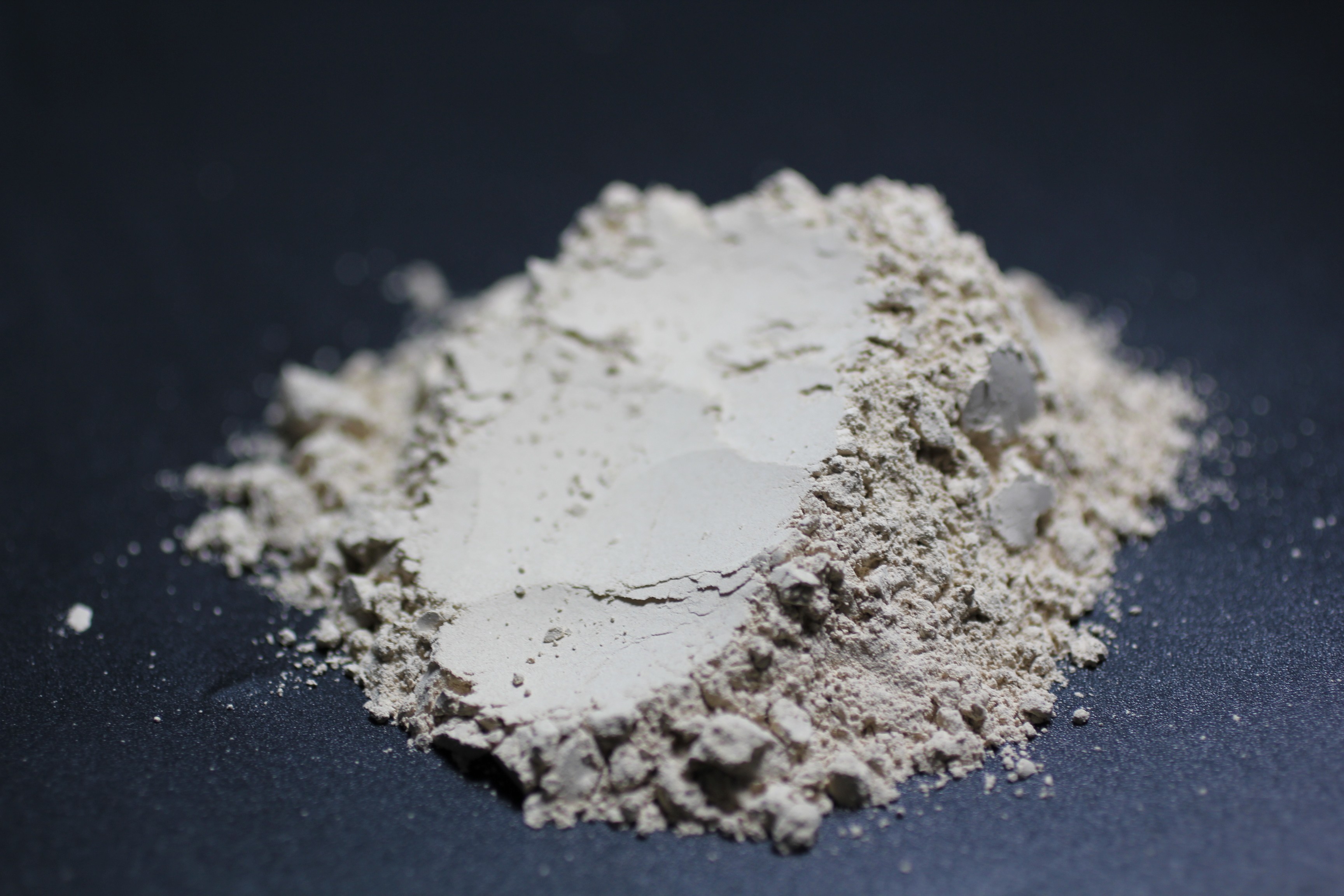
For dairy farming, the role of magnesium oxide is not limited to the rumen. Studies have found that it can also increase the uptake of triglycerides by mammary tissue, thereby effectively increasing milk fat percentage. In production practice, adding 0.75%–1.0% feed-grade magnesium oxide to dairy cow concentrate has become a mature solution for maintaining high milk yield and preventing low milk fat syndrome.
III. Scientific Formulation for Precision Nutrition
Different breeding goals and animal types correspond to different optimal addition strategies:
Dairy Cows: 0.3%–0.5% of daily dry matter, recommended to be used in combination with sodium bicarbonate at a ratio of 1:2 or 1:3.
Fattening Cattle: For buffering rumen acidosis, 5.0 g/kg dry matter is recommended; for maximizing feed intake and digestibility, 2.5 g/kg dry matter is recommended.
Fattening Sheep: The recommended combination is 2.5 g/kg magnesium oxide + 7.5 g/kg sodium bicarbonate, which can significantly improve daily weight gain and dressing percentage, while enhancing serum antioxidant capacity.
Conclusion:
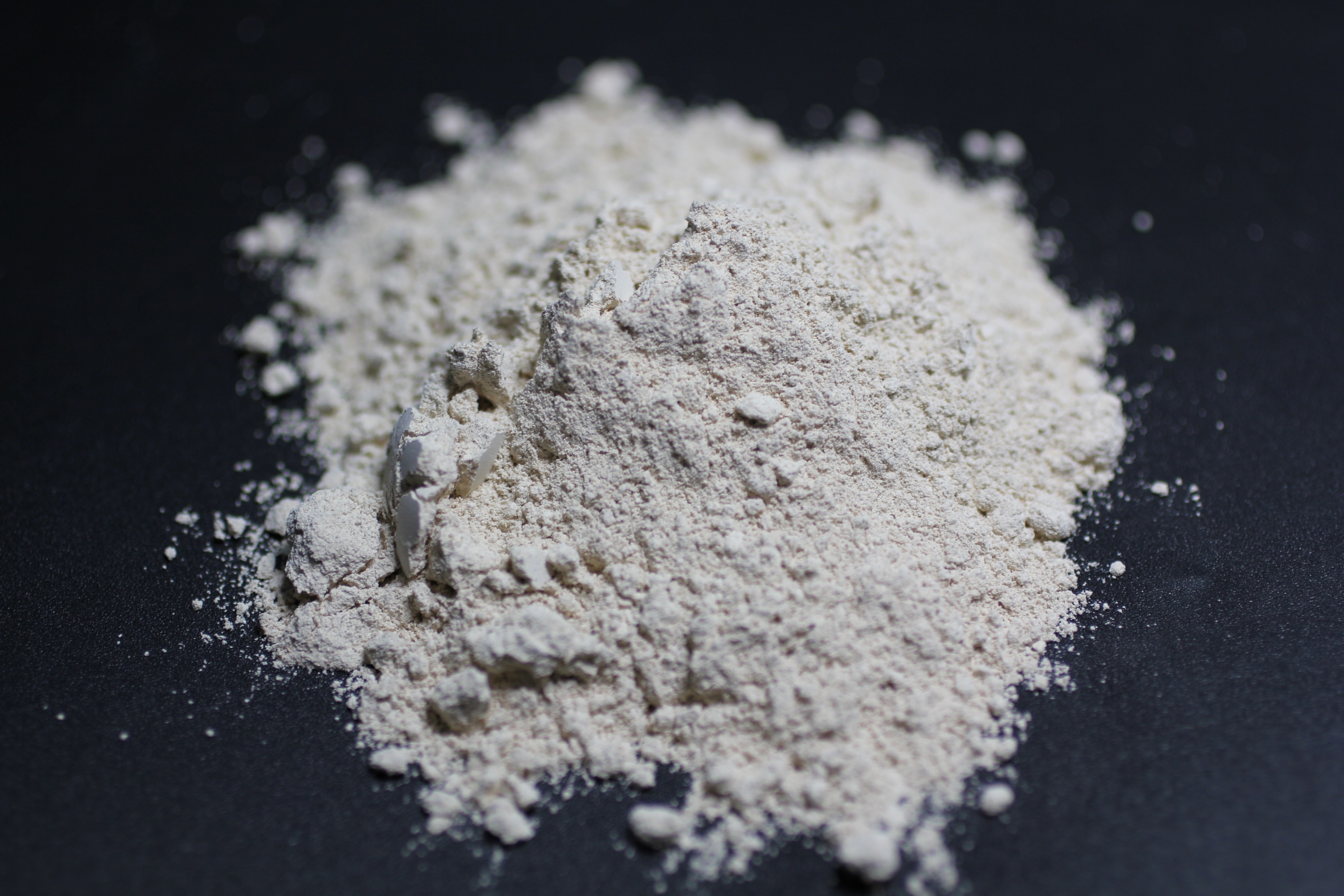
In today's increasingly transparent farming profit environment, feed-grade magnesium oxide is no longer a "dispensable" trace element additive, but rather a "profit-generating raw material" directly related to production performance and economic benefits.