Applications of Magnesium Oxide Granules in Fertilizers BY:Danny
- Share
- publisher
- 、Saskia
- Issue Time
- Nov 18,2025
Summary
Magnesium oxide granules (60% Mg) enhance chlorophyll synthesis, regulate soil pH, and provide slow-release Mg for crops. Ideal for acidic soils, citrus, tomatoes. Improves soil structure, reduces aluminum toxicity. Cost-effective with 10-20 kg/acre dosage. Compatible with NPK fertilizers.

Applications of Magnesium Oxide Granules in Fertilizers
Magnesium oxide granules have many important applications in fertilizers. The following are their main functions and key points for use:
1. Supplementing Magnesium: Magnesium is a core component of chlorophyll in plants, participating in photosynthesis and energy metabolism. Magnesium oxide granules have a high magnesium content (approximately 60%), effectively supplementing magnesium and preventing problems such as leaf chlorosis and weakened photosynthesis caused by magnesium deficiency in crops. It is particularly suitable for magnesium-loving crops such as citrus, grapes, tomatoes, and tobacco.
2. Regulating Soil pH: Magnesium oxide is alkaline, which can neutralize acidic soils, increase soil pH, reduce the toxic effects of elements such as aluminum and manganese, improve soil structure, and promote the activity of beneficial microorganisms and the absorption of nutrients by plants.
3. Slow-Release Magnesium Supply: Magnesium oxide is slightly soluble in water, slowly releasing magnesium ions into the soil. This provides a long-lasting fertilizer effect, reduces the frequency of fertilization, and avoids one-time nutrient loss.
4. Improves Soil Structure
Promotes soil particle aggregation, increases aeration and permeability, enhances soil water and fertilizer retention capacity, and creates a favorable environment for crop root growth.

Precautions for Use:
Dosage: Determined based on soil magnesium content and crop requirements. Generally, apply 10-20 kg per acre. Increase the dosage appropriately in areas with severe magnesium deficiency.
Application Method: When used as a base fertilizer, it can be broadcast and then tilled into the soil; it can also be applied in strips or holes during the early stages of crop growth, but avoid direct contact with seeds or roots.
Combined Use: Can be used in combination with nitrogen, phosphorus, potassium, and other chemical fertilizers, as well as organic fertilizers, but avoid mixing with acidic fertilizers such as superphosphate to prevent reduced fertilizer efficiency.
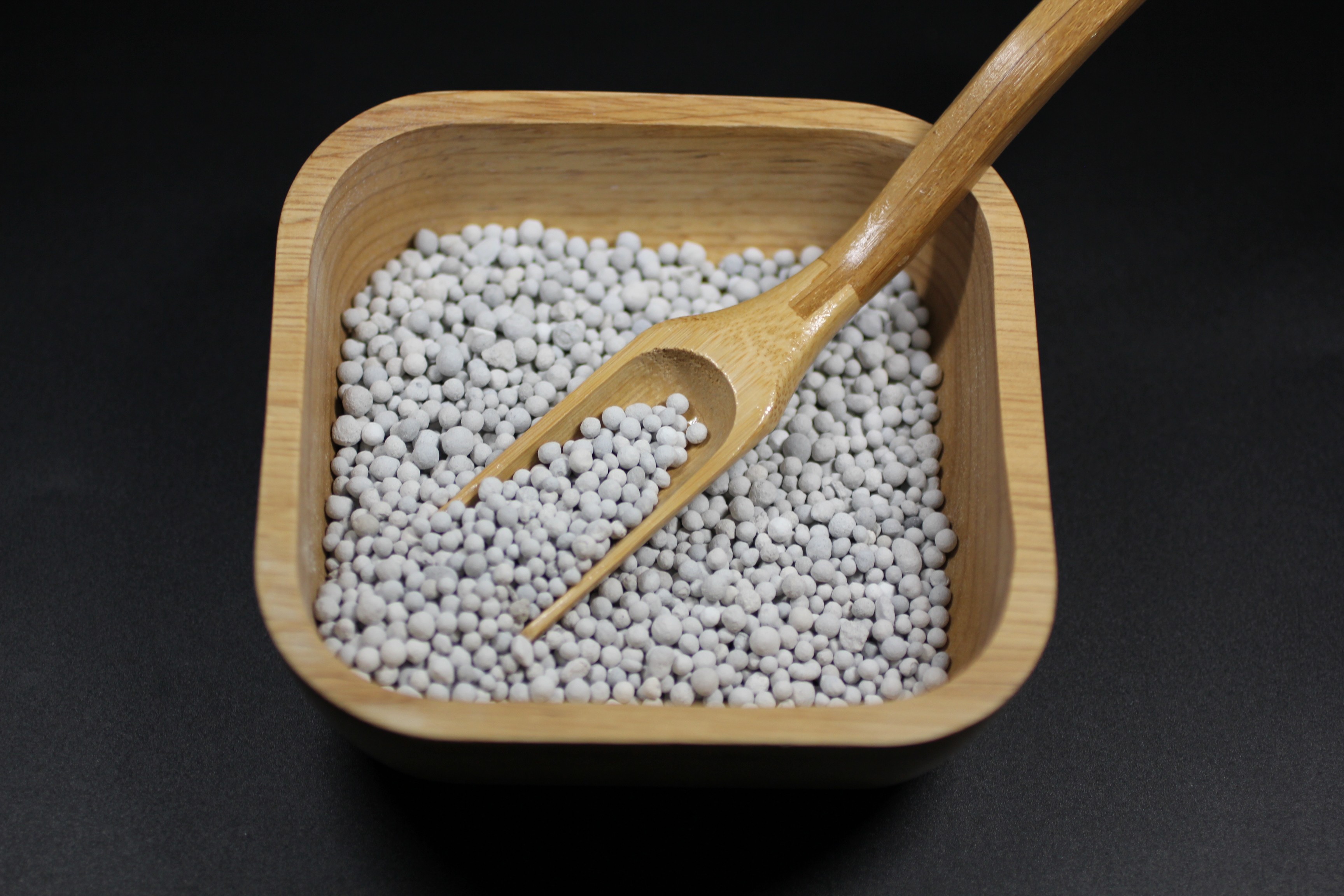
Magnesium oxide granules are an economical and efficient source of magnesium fertilizer, especially suitable for acidic soils and magnesium-deficient areas, but scientific application is necessary to avoid excessive soil alkalinity.